What we saw at the 22nd ADAF MetaMorphosis
12/05/2026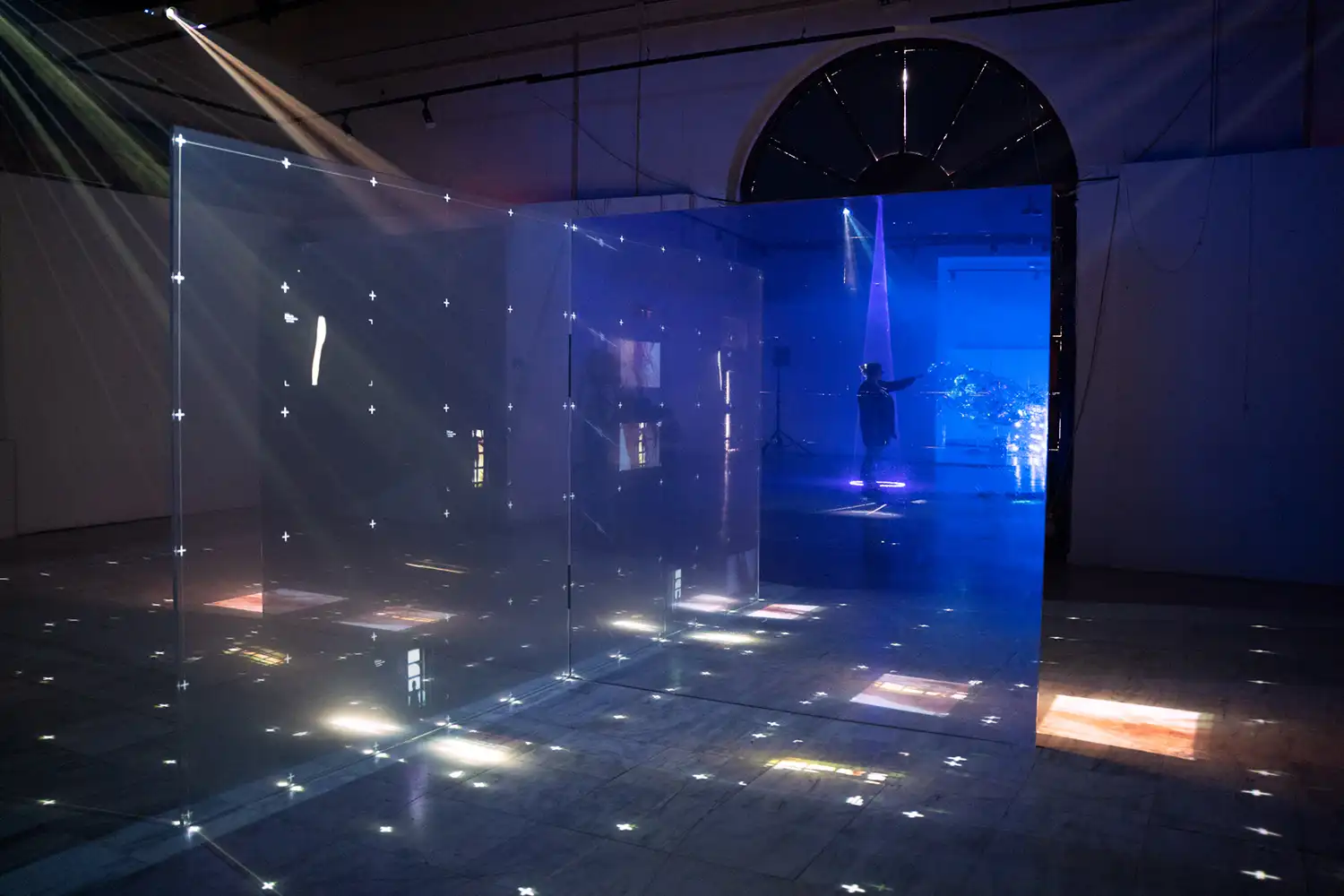
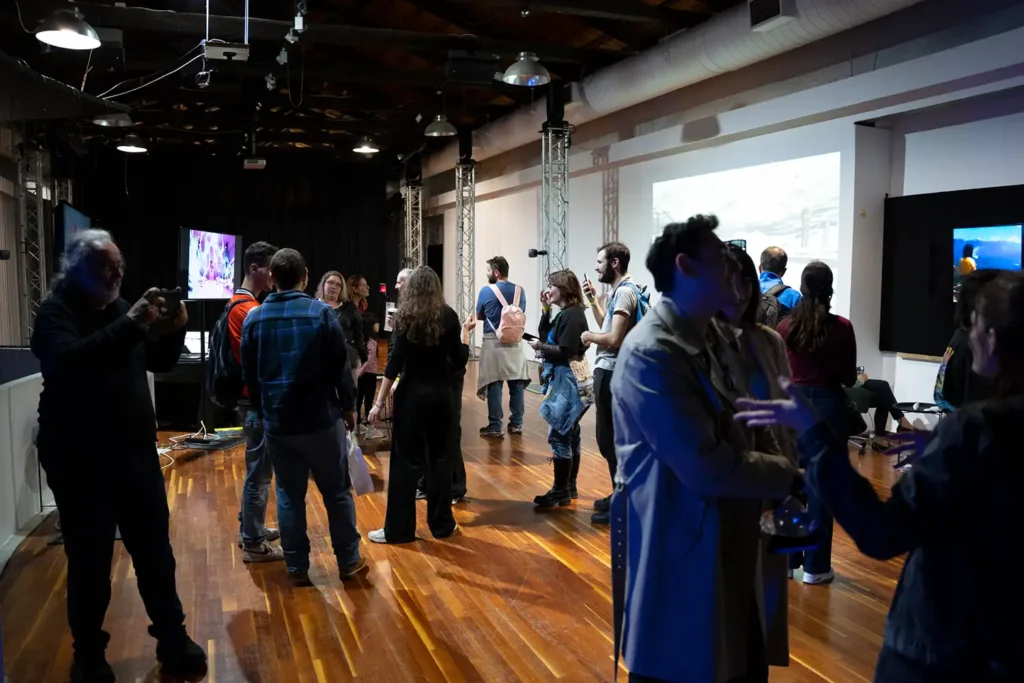
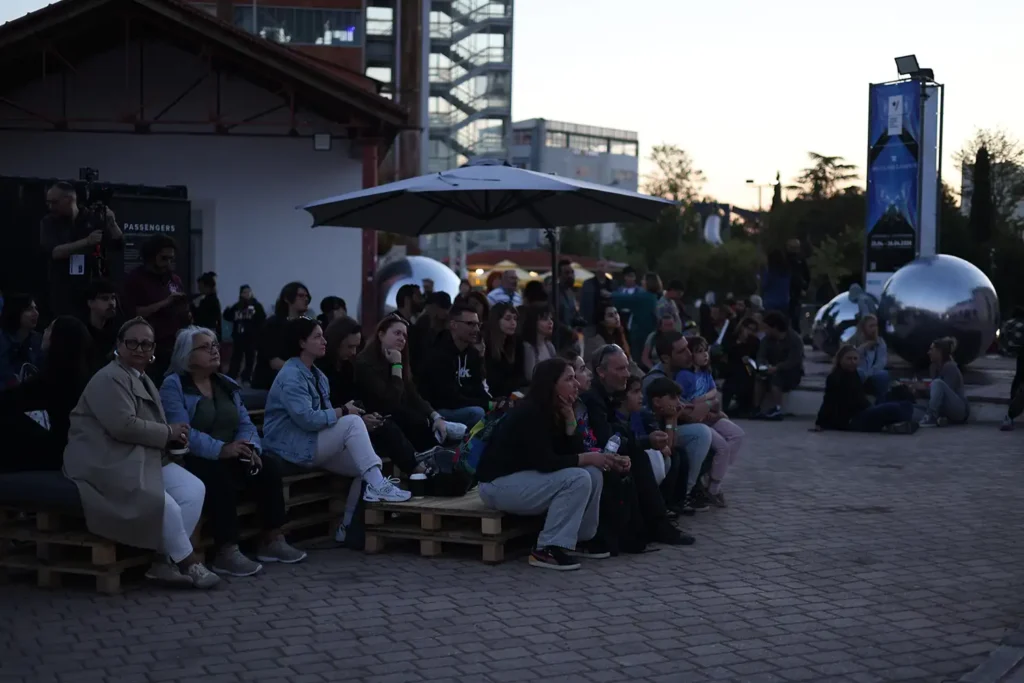
The International Digital Arts Festival of Greece, Athens Digital Arts Festival (ADAF), concluded with great success once again this year, taking place from April 23 to 26 at Technopolis City of Athens, reaffirming its position as one of Europe’s leading digital arts festivals. This year’s edition, themed “Metamorphosis,” attracted more than 12,000 visitors and showcased a total of 348 works across 12 categories by artists and creators from around the world.
The concept of “Metamorphosis” served as the central axis of the artistic program, exploring the profound environmental, social, and technological transformations shaping contemporary life, with particular emphasis on environmental issues. Through installations, audiovisual works, interactive experiences, and hybrid artistic forms, the festival approached metamorphosis as a dynamic process of redefinition: from climate crisis and sustainability to shifts in human identity, perceptions of space, and the impact of digital technology on everyday life. Visitors were not merely spectators; they became active participants in an environment of constant change, interaction, and discovery.
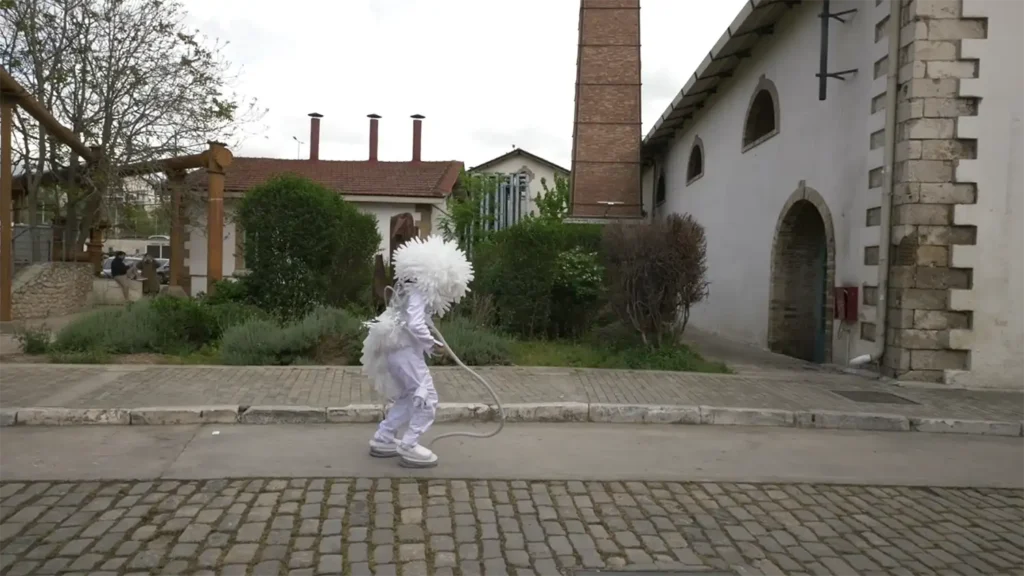
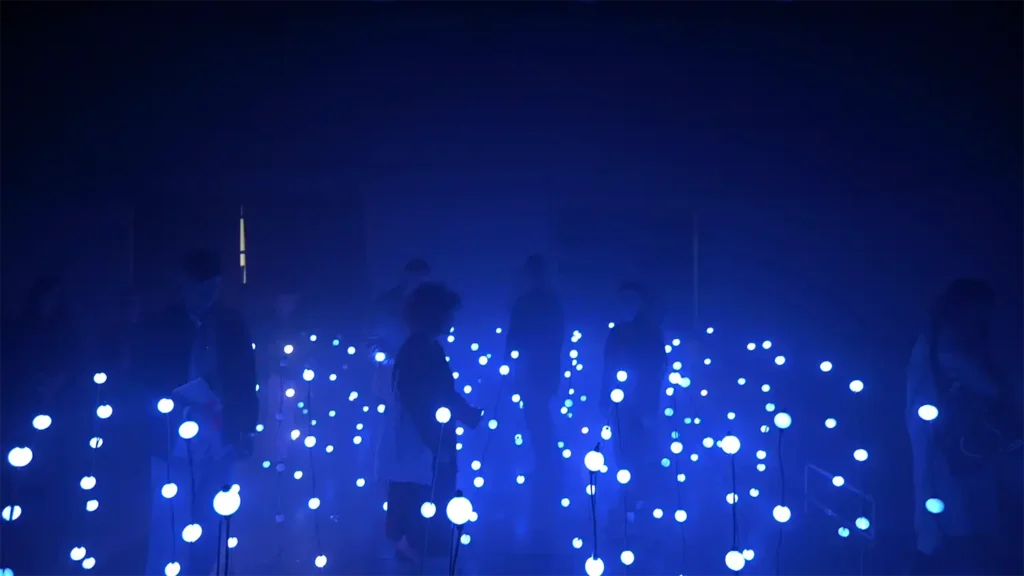
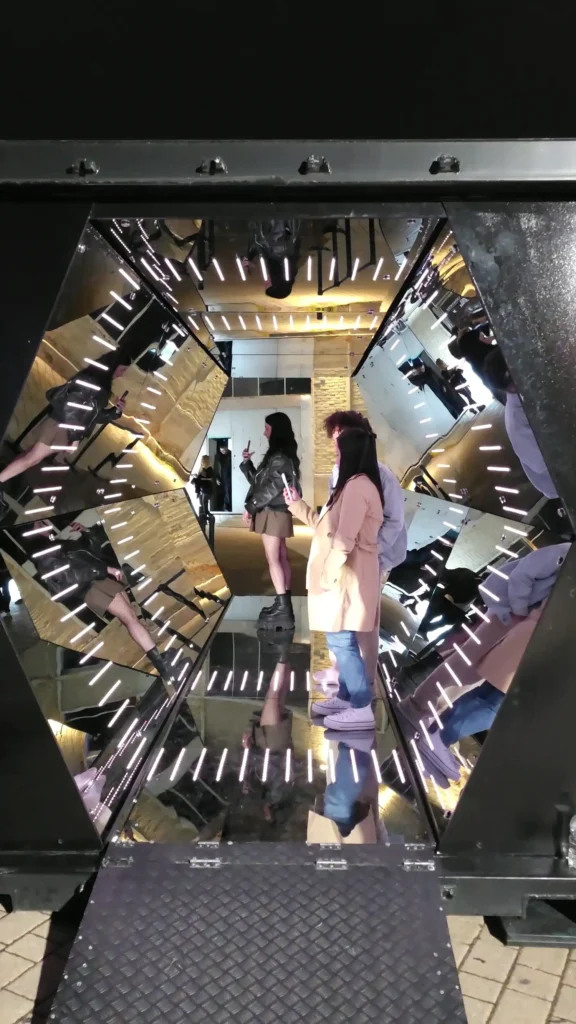
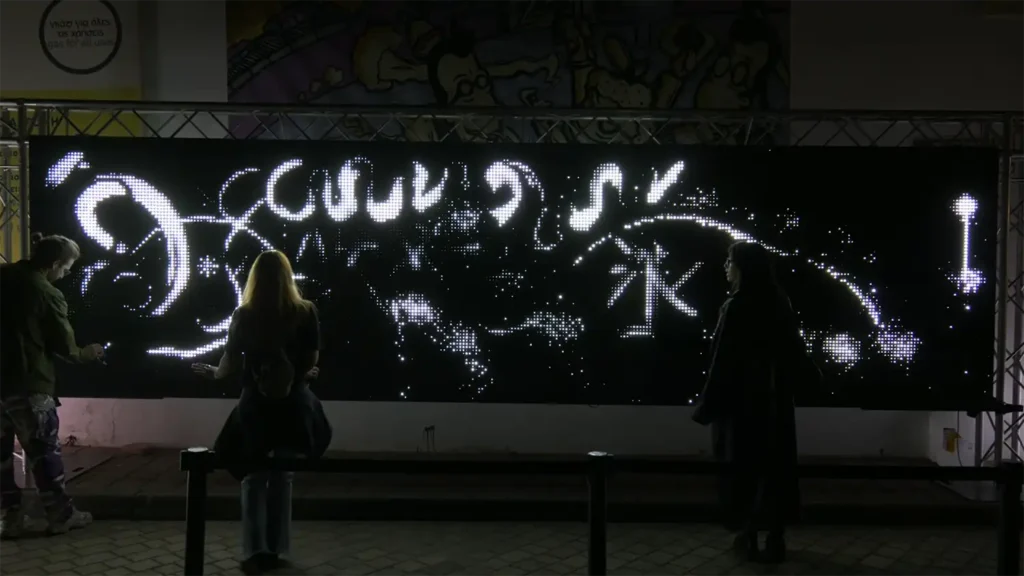
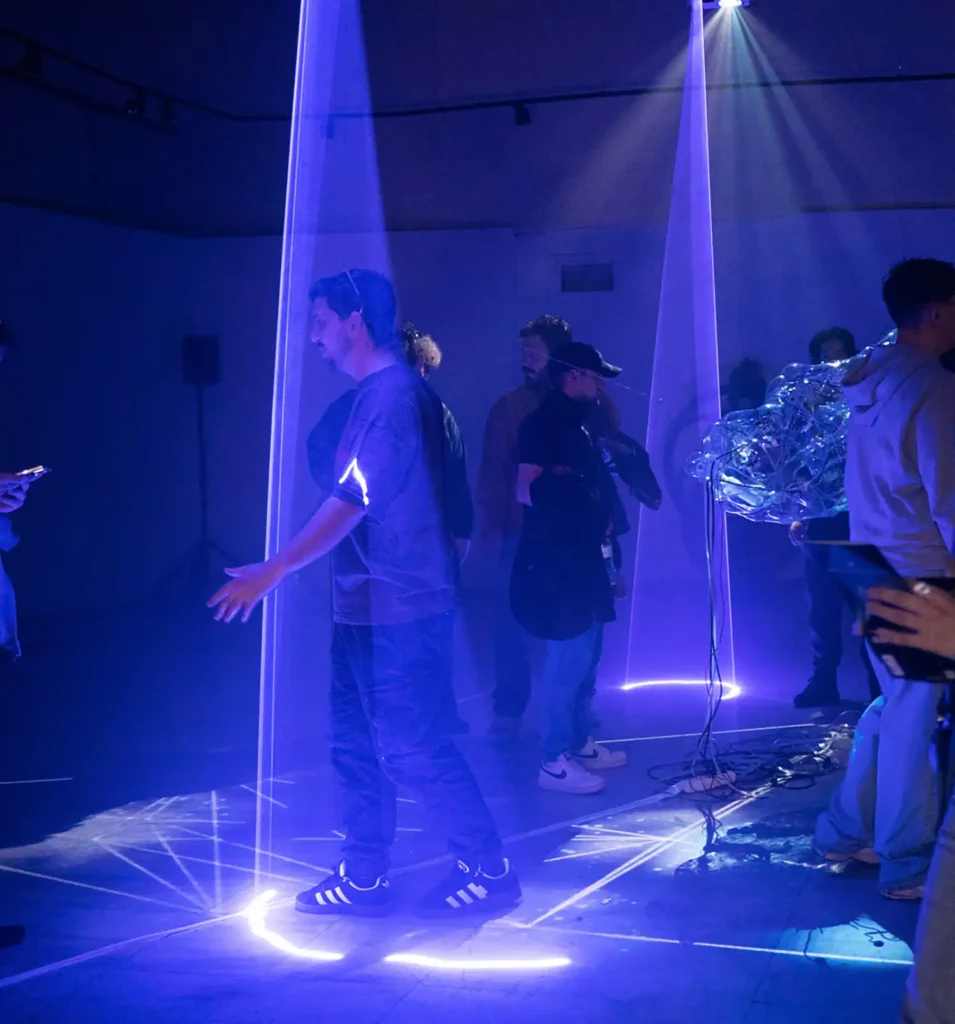
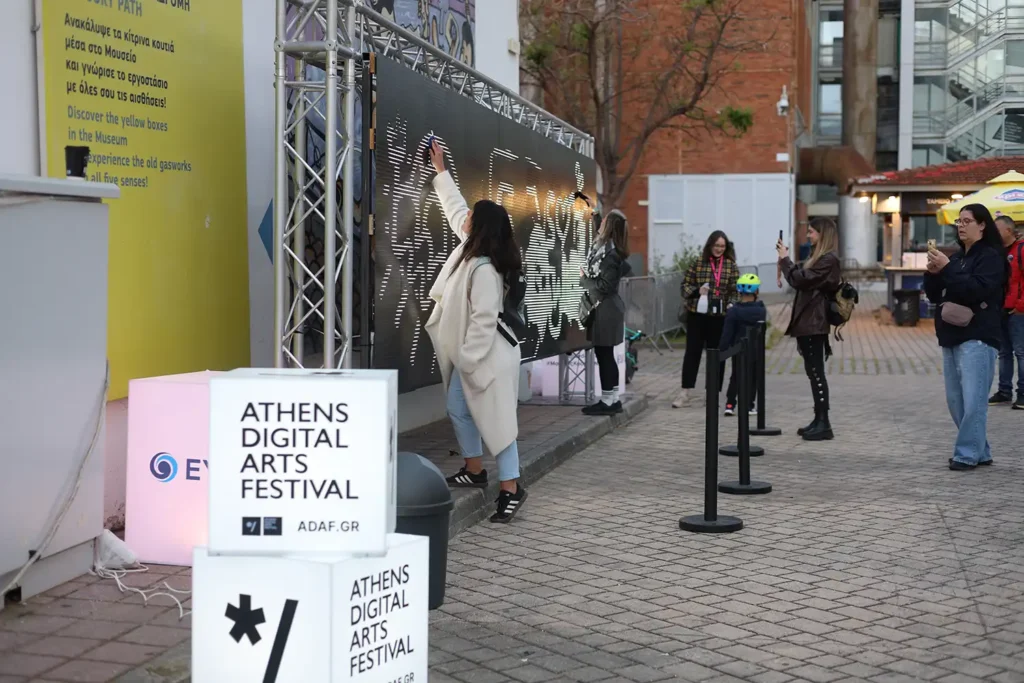
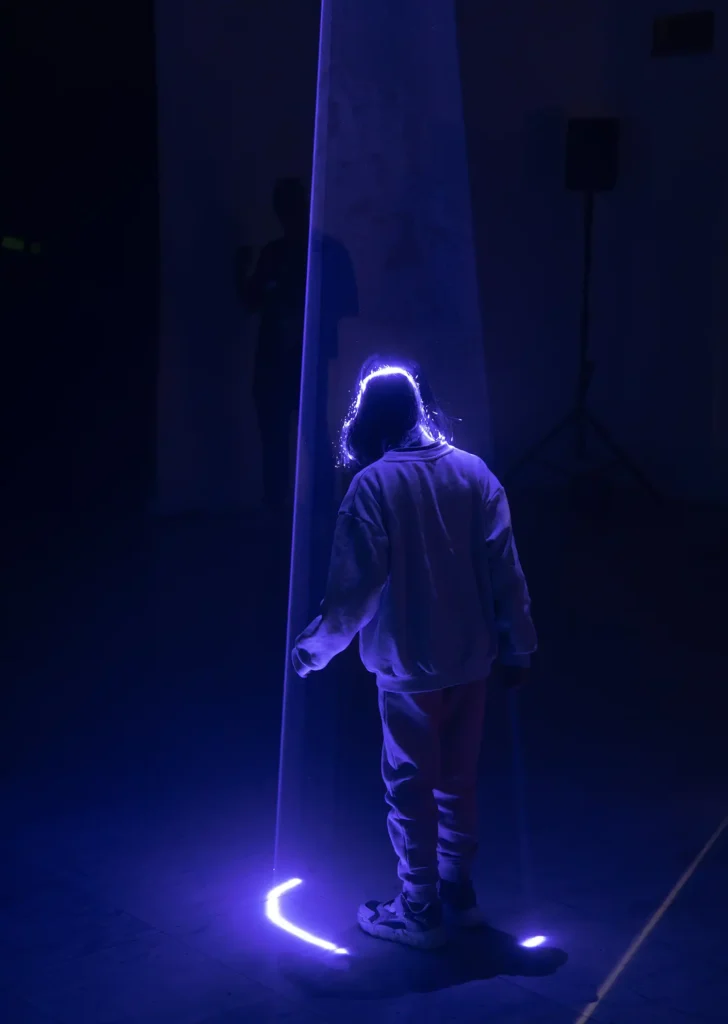
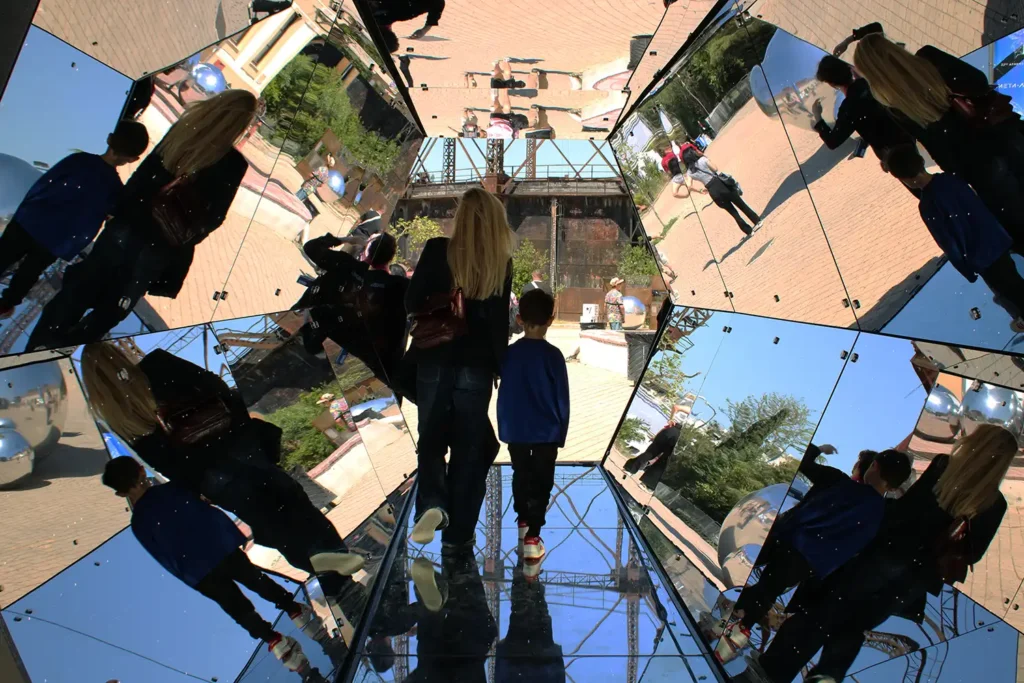
A prominent place within the program was dedicated to large-scale outdoor installations that transformed public space into a living field of artistic experience. Works such as “Passengers” and “Waterlight Graffiti” captivated audiences, creating immersive experiences that combined light, water, sound, movement, and participation, giving visitors the role of “co-creators.”
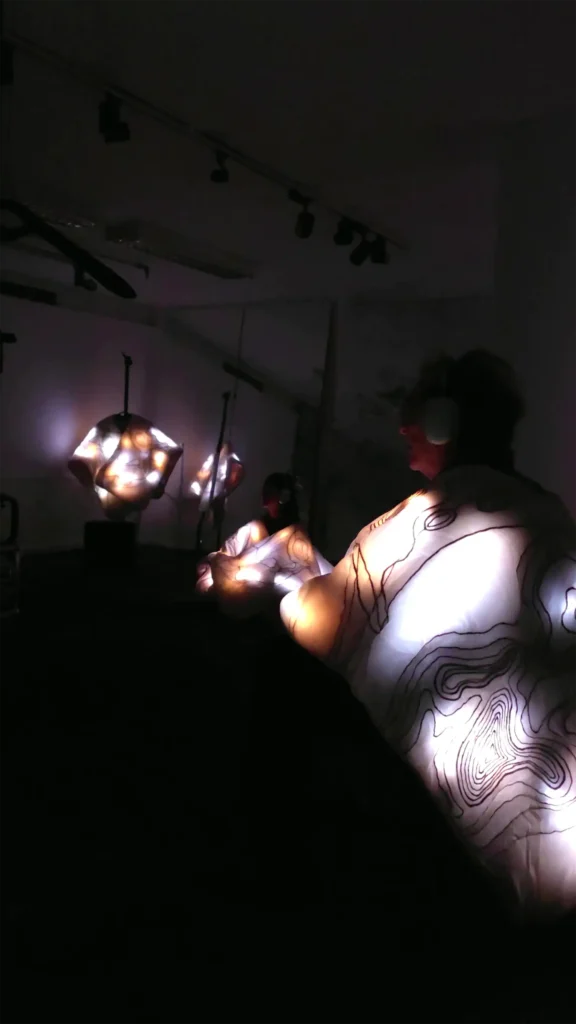
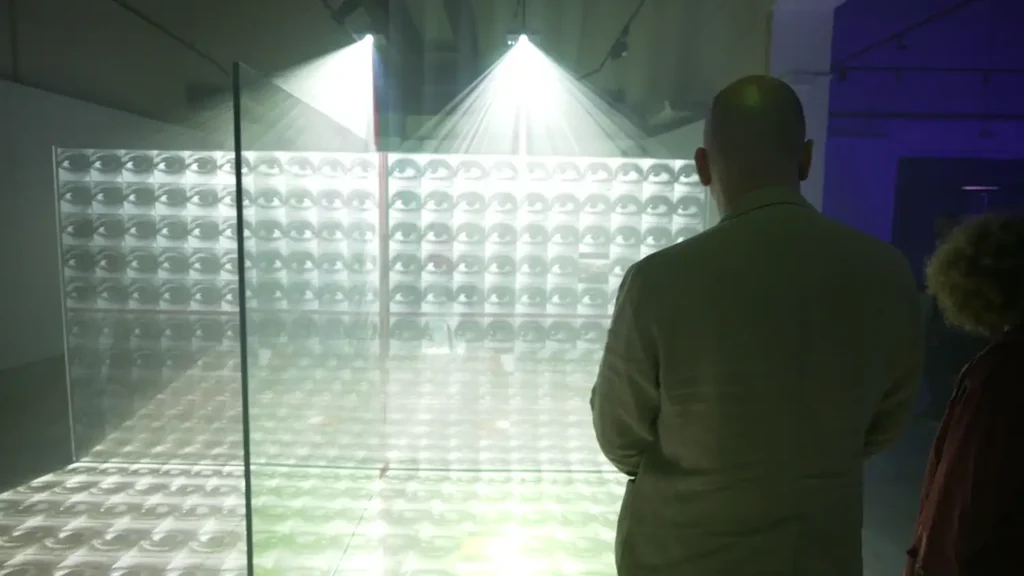
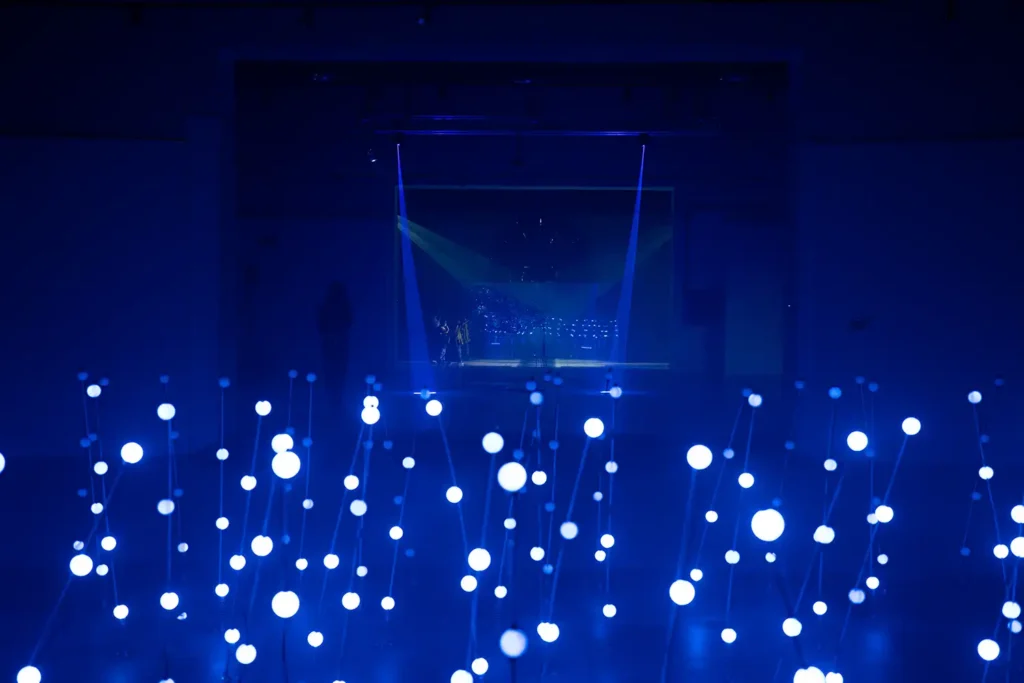
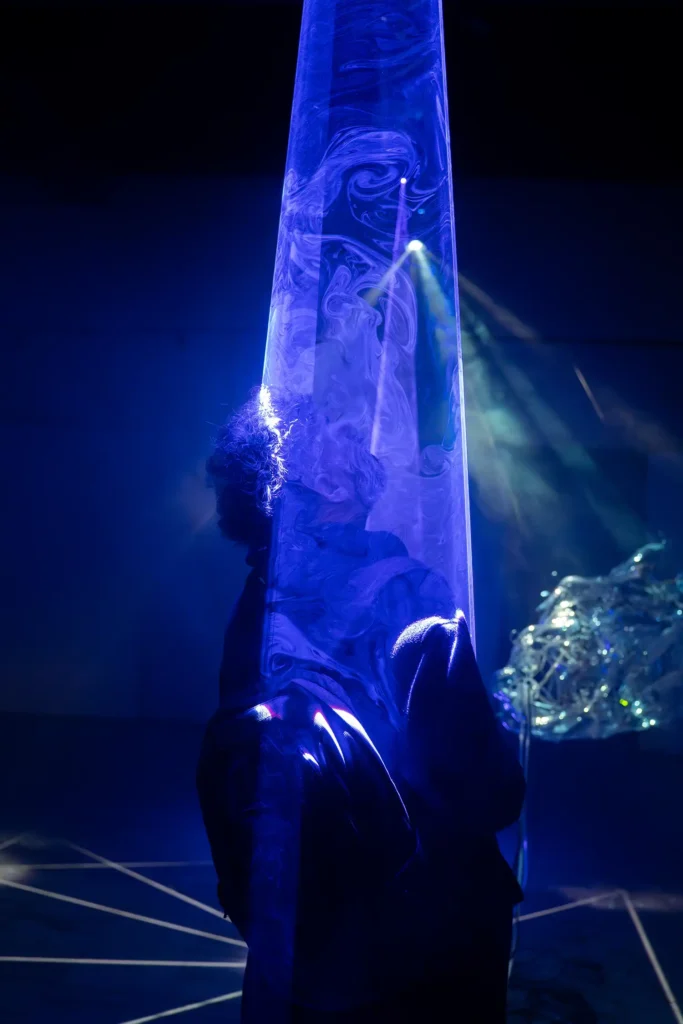
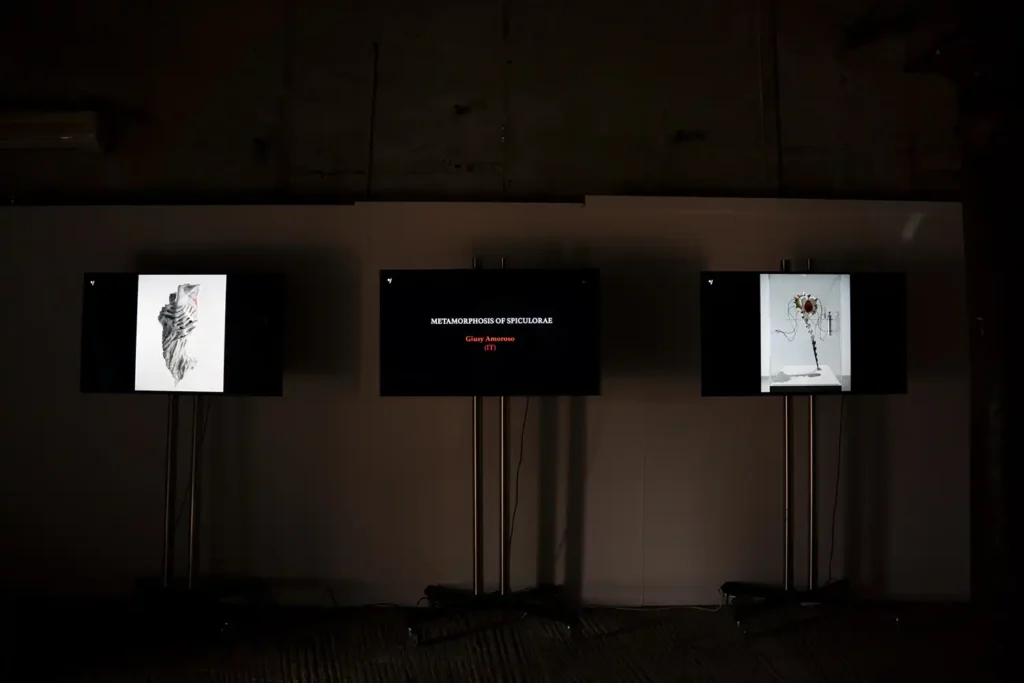
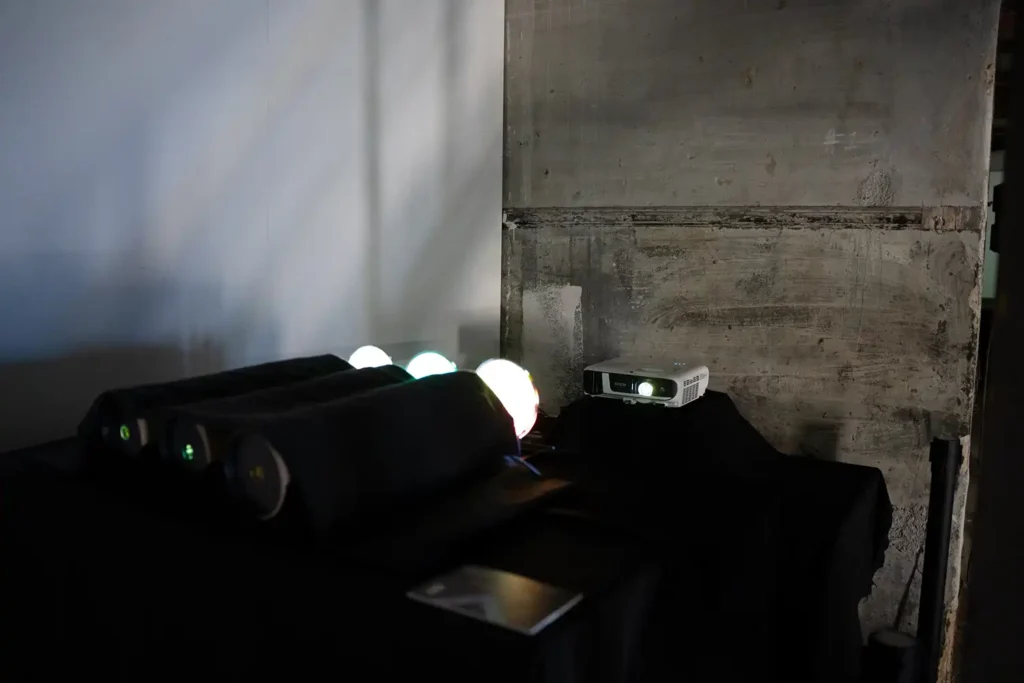
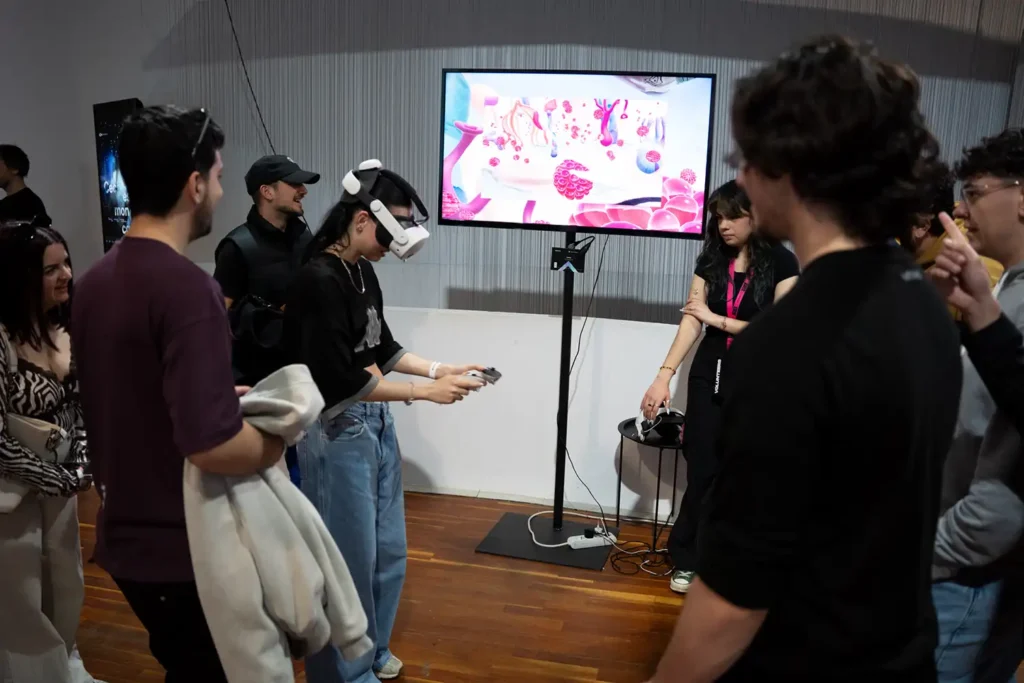
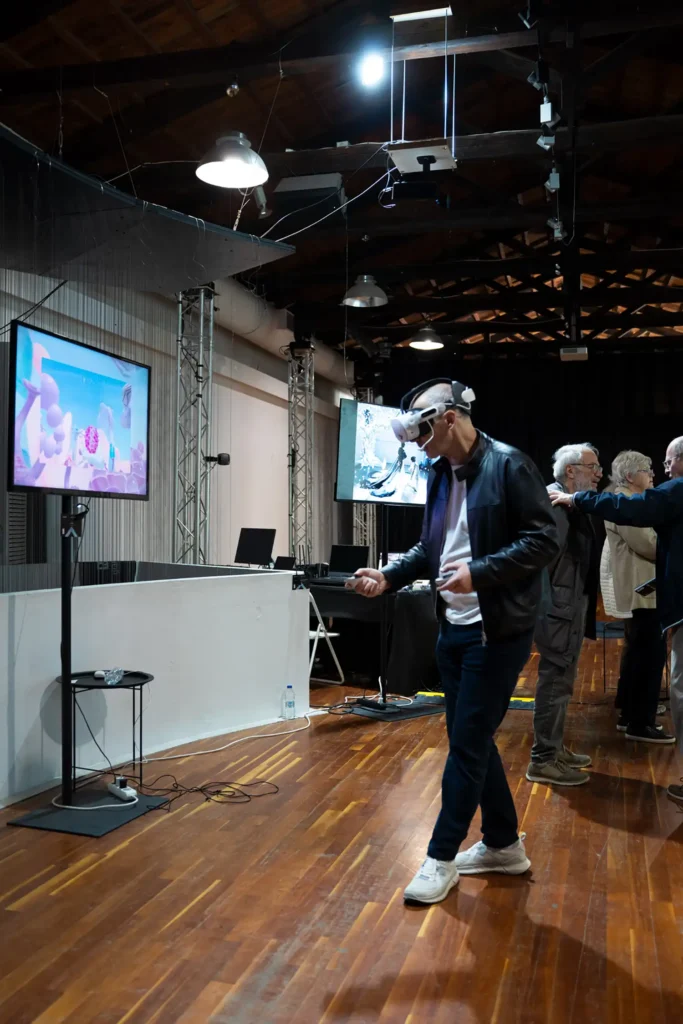
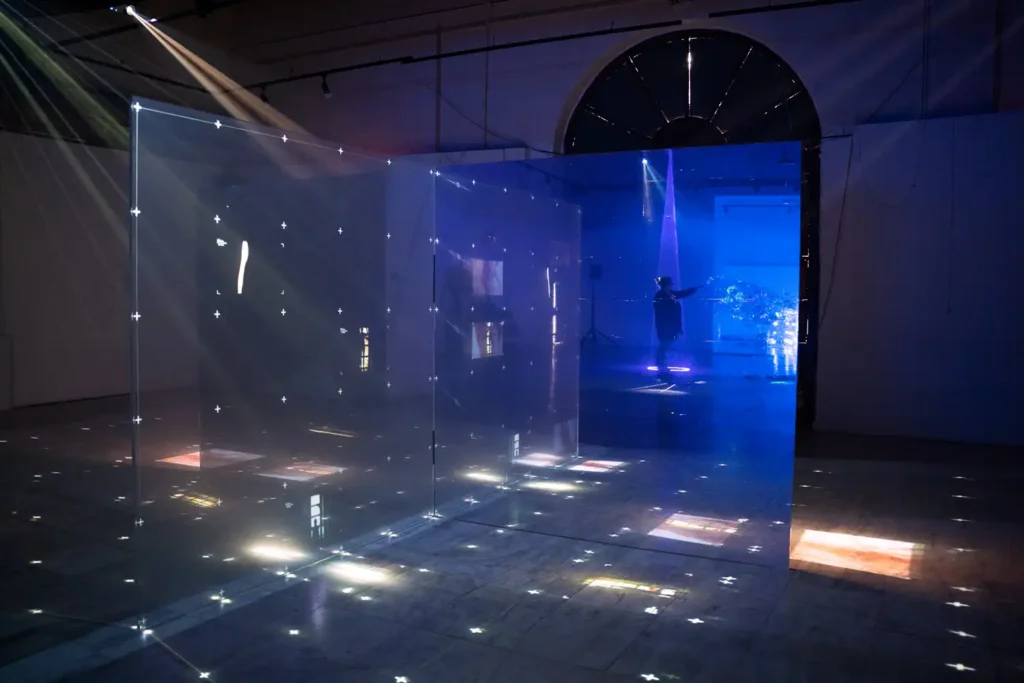
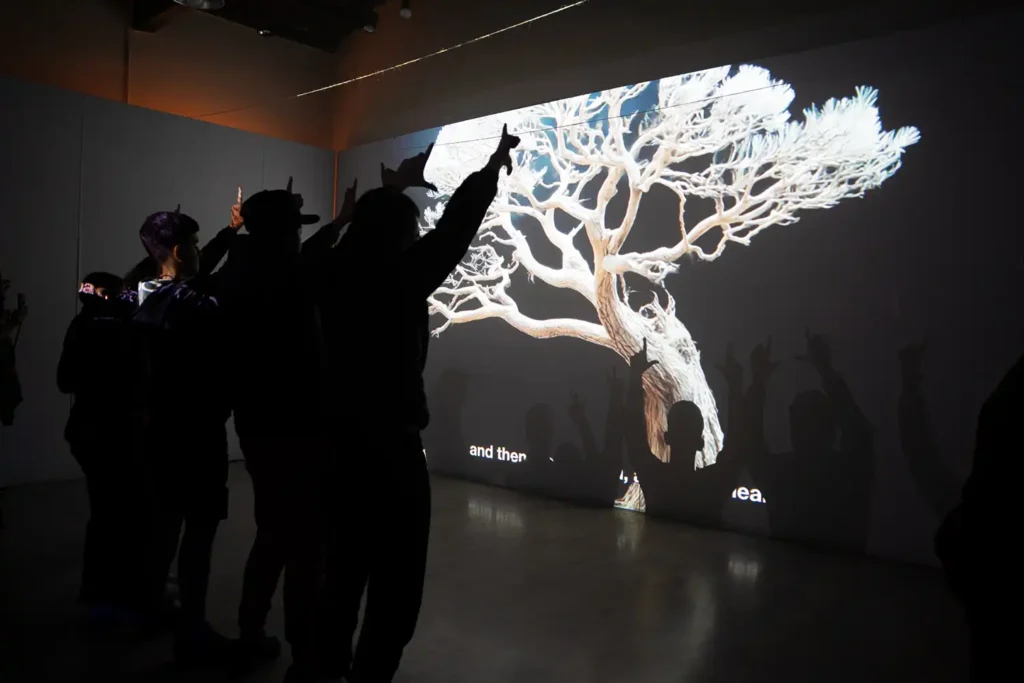
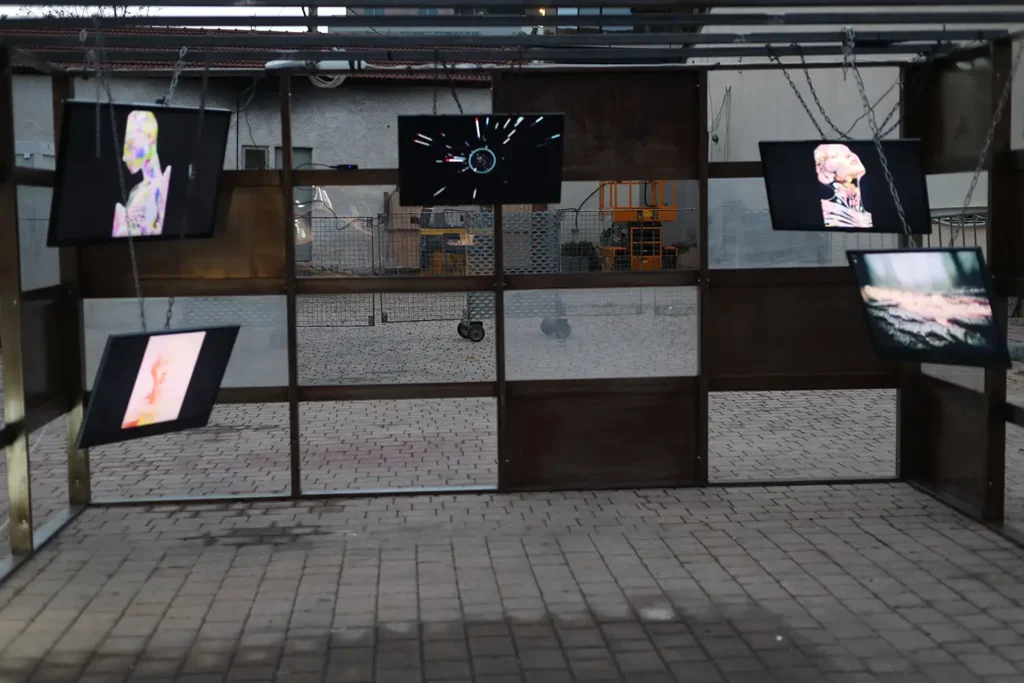
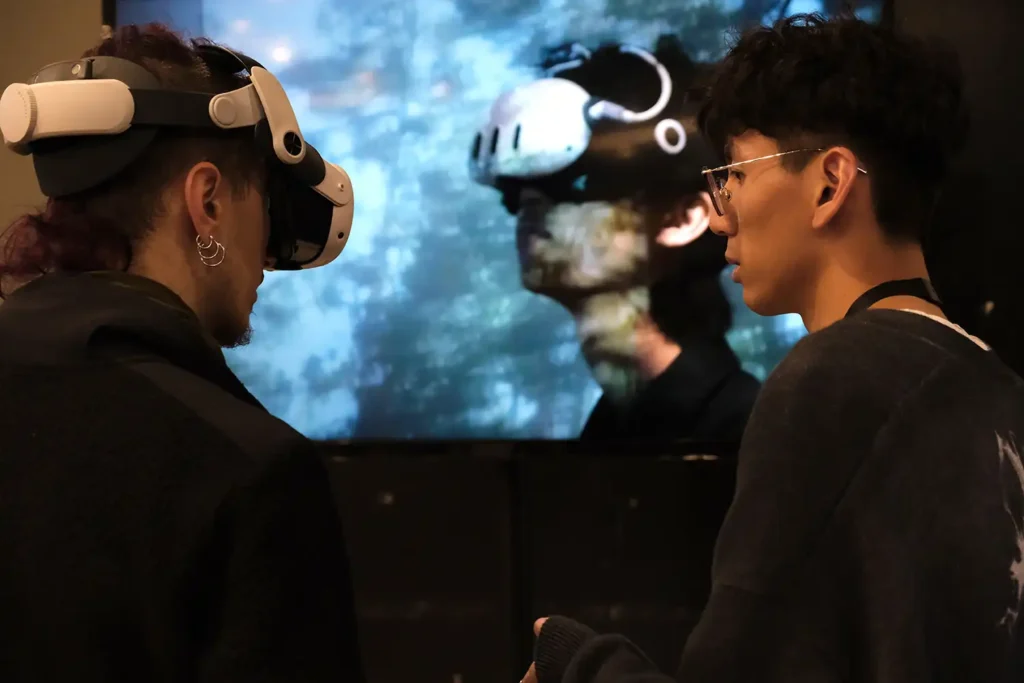
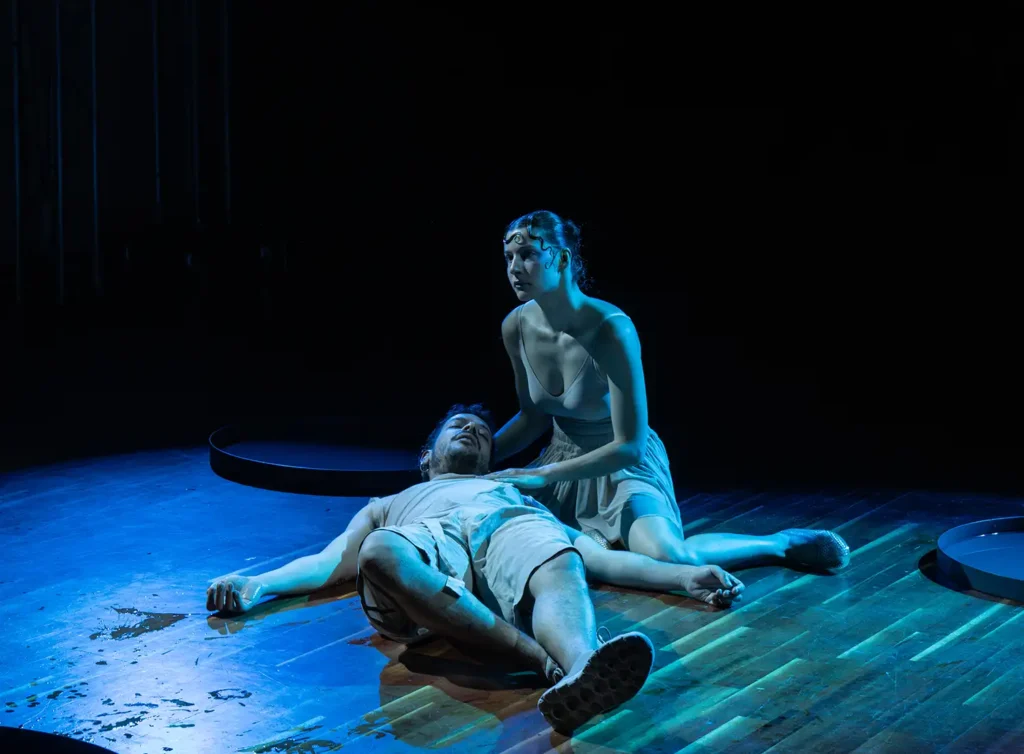
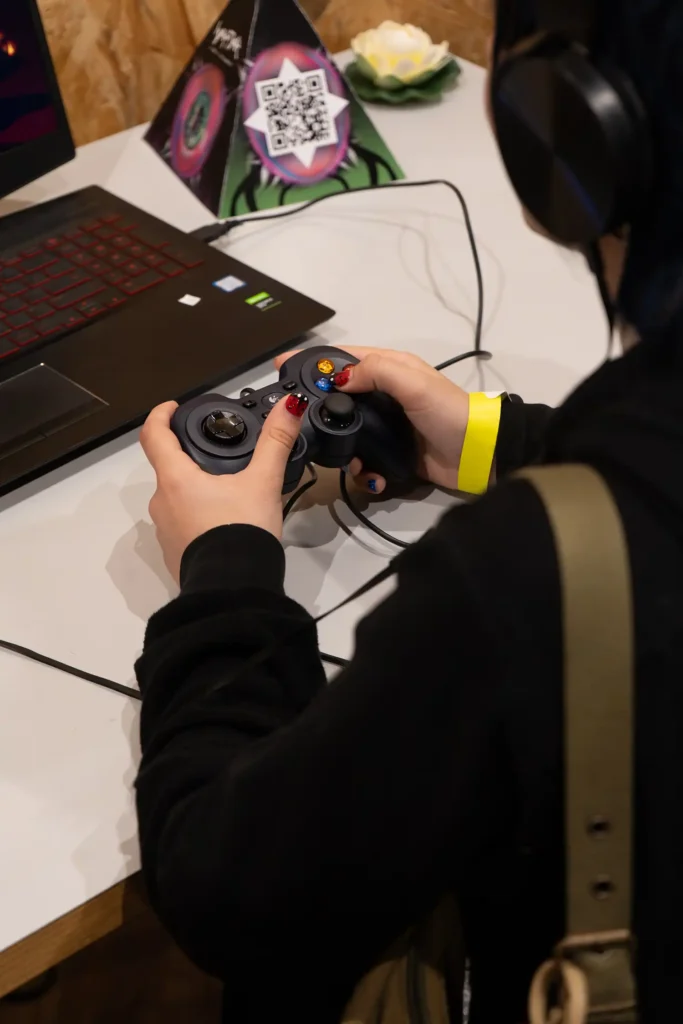
As every year, the Machine Works building hosted the festival’s central installation exhibition, where luminous, interactive, and environmentally focused experiences highlighted different aspects of transformation: in nature (water and earth), in humanity (migration and urban life), and in space itself (dimension and perception). At the Purification Tanks venue, audiences engaged with AR/VR/XR experiences and human-centered installations, many of which carried strong performative and theatrical elements. The Warehouses hosted the festival’s main screening program featuring an extensive selection of video art and animation, alongside exhibitions of individual works, while Innovathens presented internet- and gaming-related projects alongside creations by emerging artists participating through the festival’s academic collaborations.
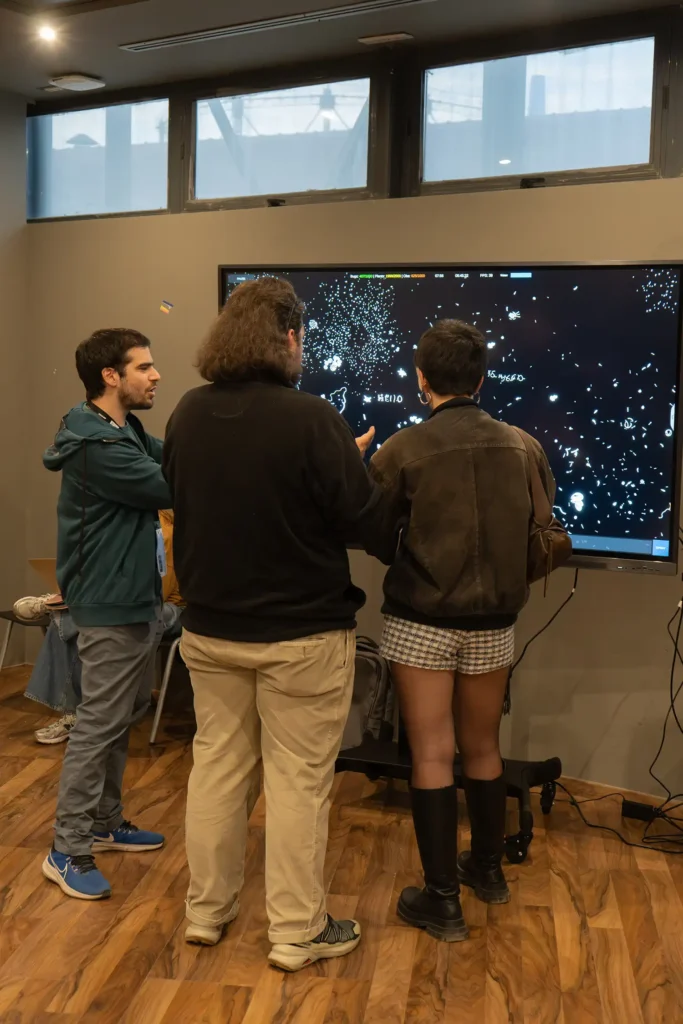
The educational dimension of ADAF also played a significant role, strengthened through strategic collaborations with distinguished academic institutions, including Ionian University, Athens School of Fine Arts, National and Kapodistrian University of Athens – Department of Digital Arts and Cinema, and Tsinghua University – Department of Digital Arts. Within this framework, interactive student projects were presented, standing out for their experimentation, freshness, and playful spirit, demonstrating how the new generation of creators approaches digital art with boldness and imagination.
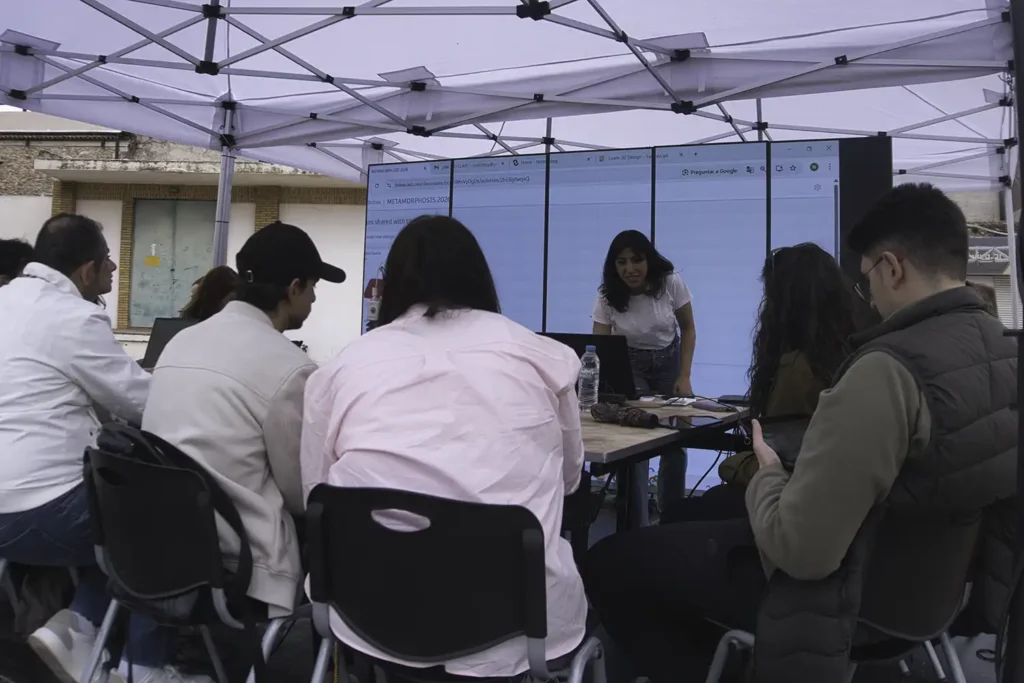
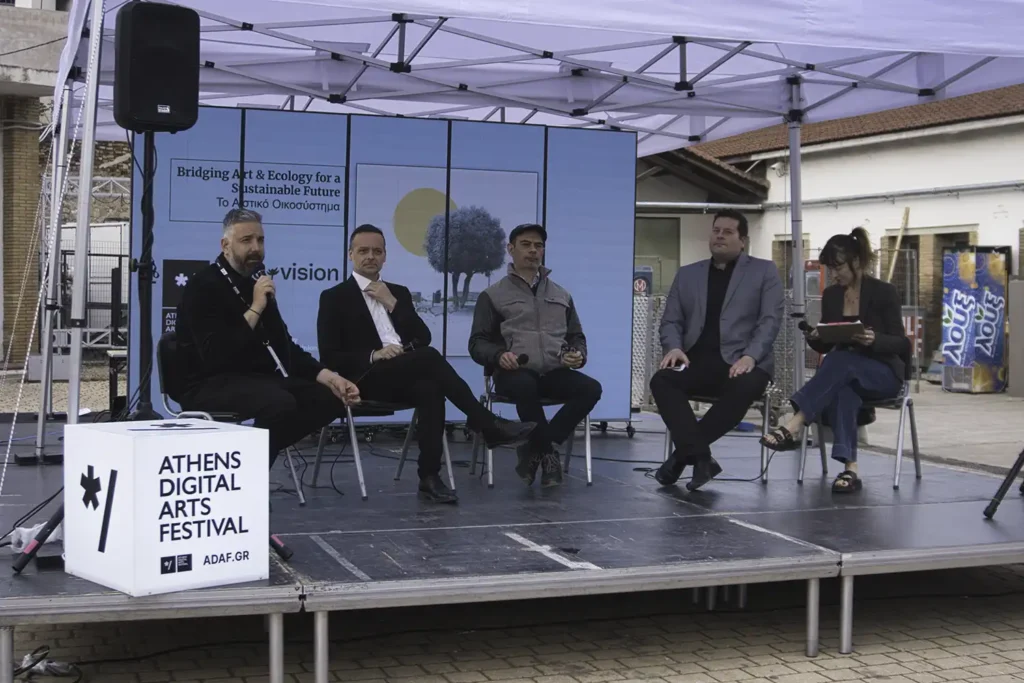
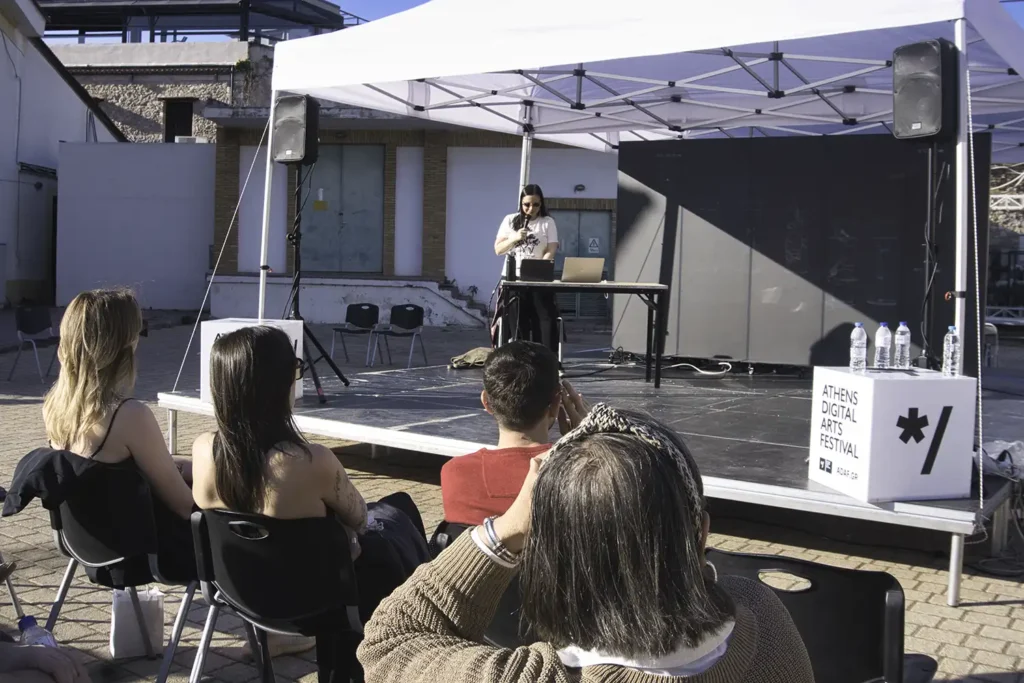
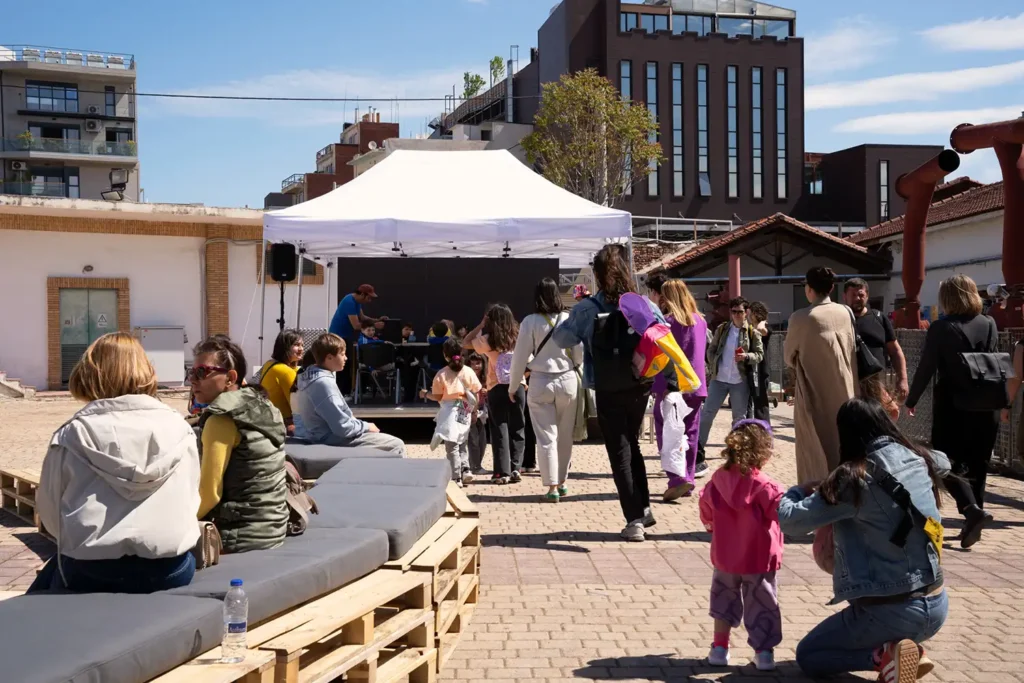
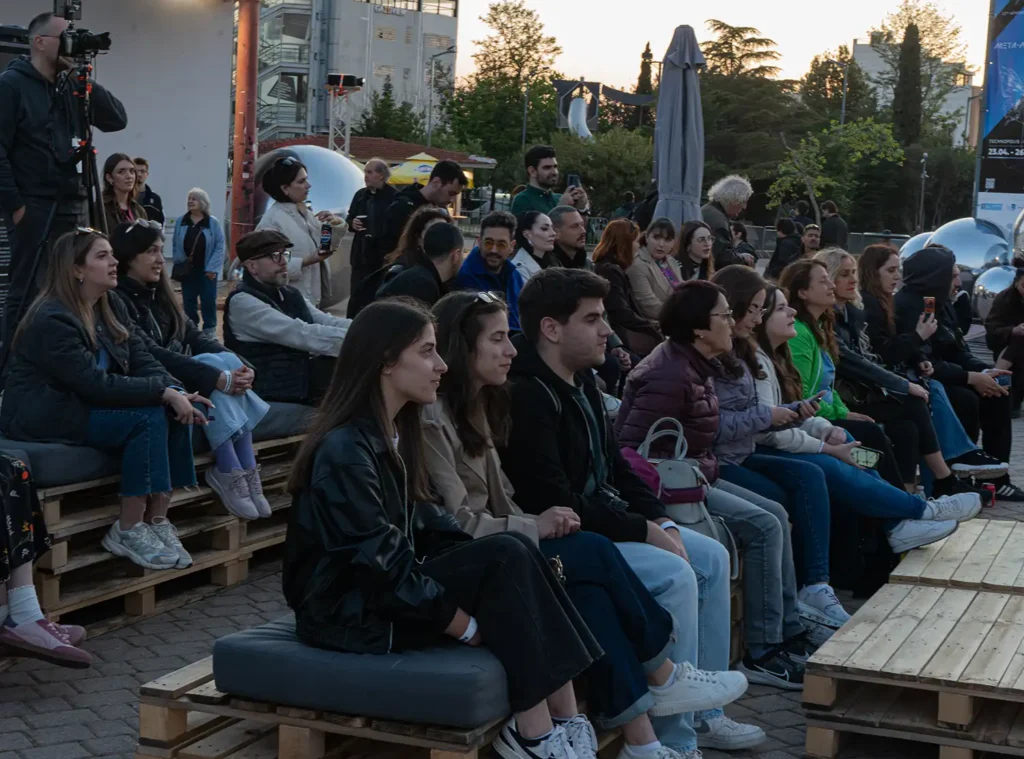
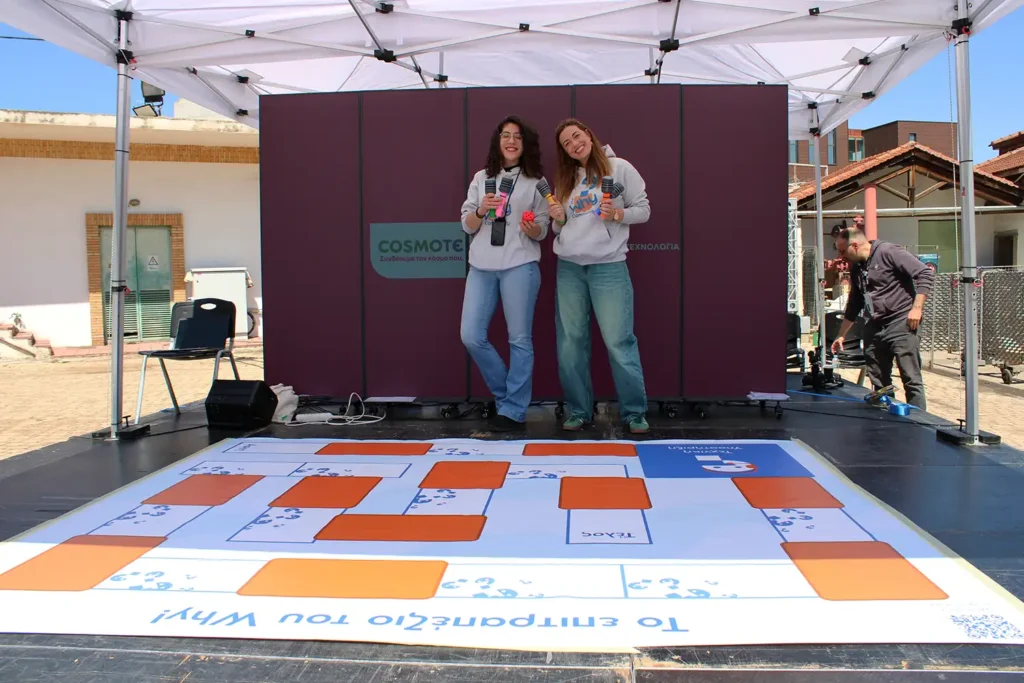
In the same spirit, the ADAF Learning Point—an open-air pavilion dedicated to knowledge and participation—became one of the festival’s most vibrant hubs. Workshops, presentations, panels, and talks brought audiences into direct contact with contemporary digital creation practices and tools, while also encouraging discussions around art, the environment, public space, and sustainability. It became a space for the exchange of ideas, open to everyone regardless of age or experience.
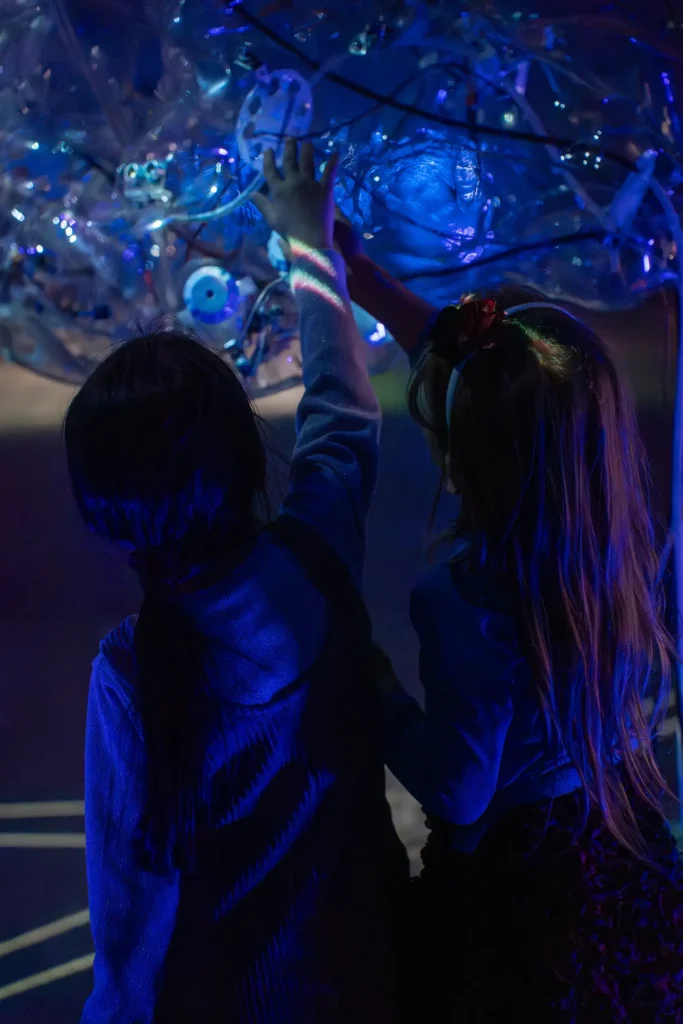
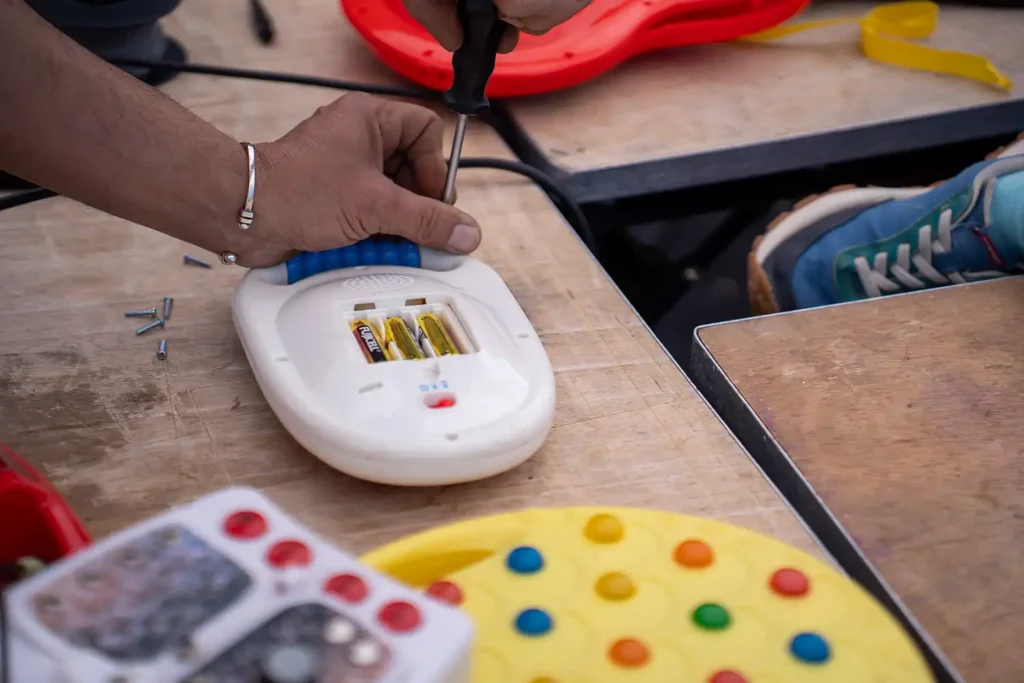
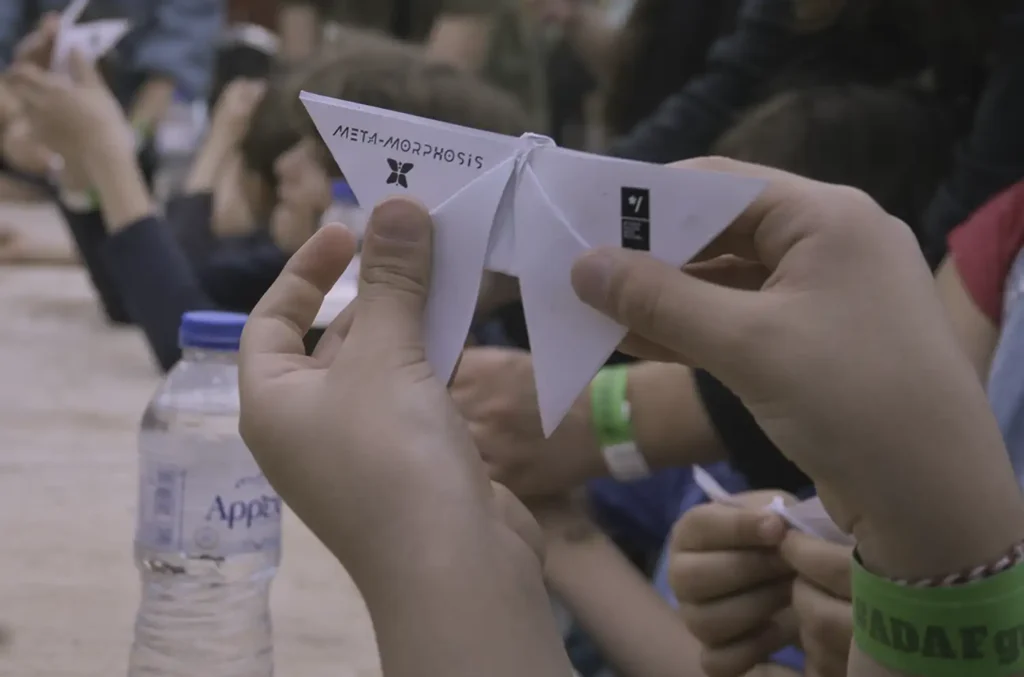
Special attention was also given to the children’s program, ADAF Kids, which included workshops and activities specifically designed for children. Young visitors had the opportunity to create their own musical instruments, experiment with origami, explore environmental issues through technology, and, of course, play and interact with the exhibition works, discovering the world of digital art in an experiential and entertaining way.
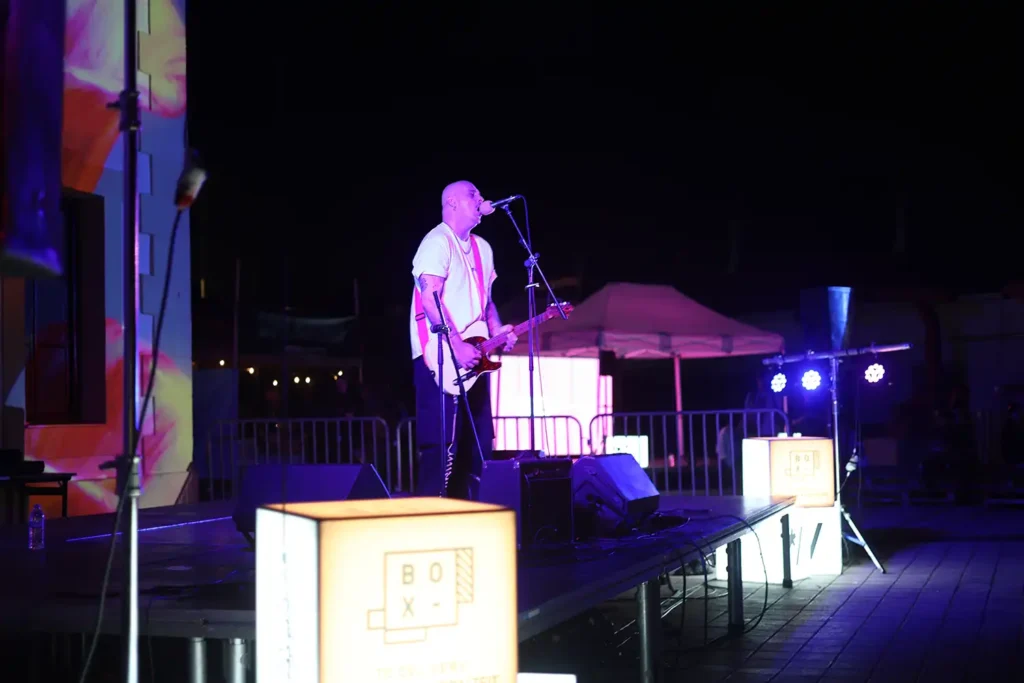
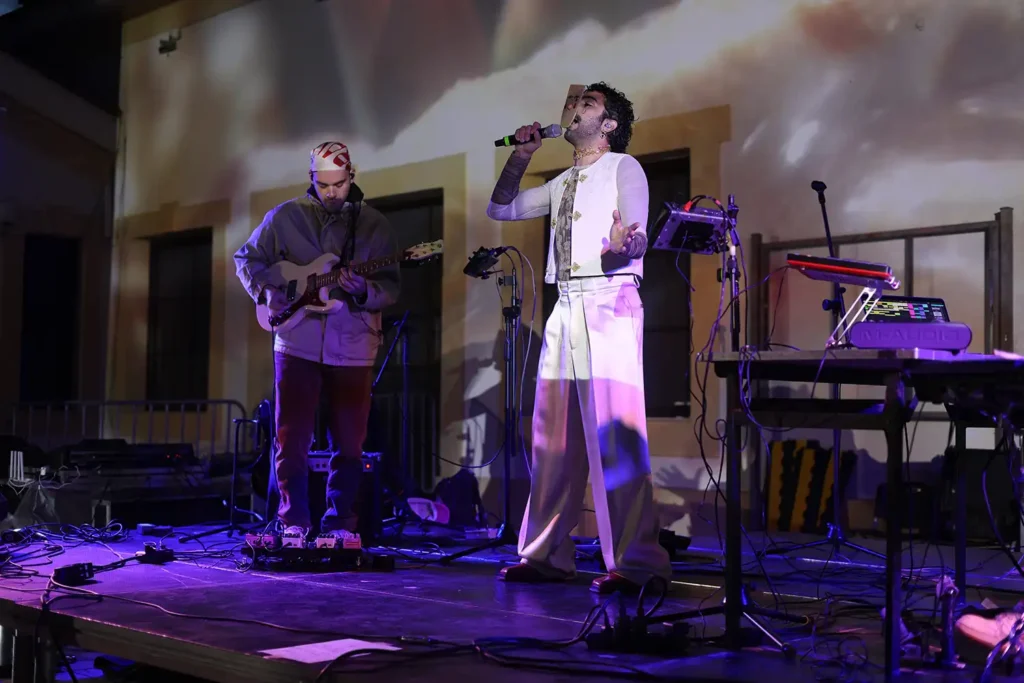
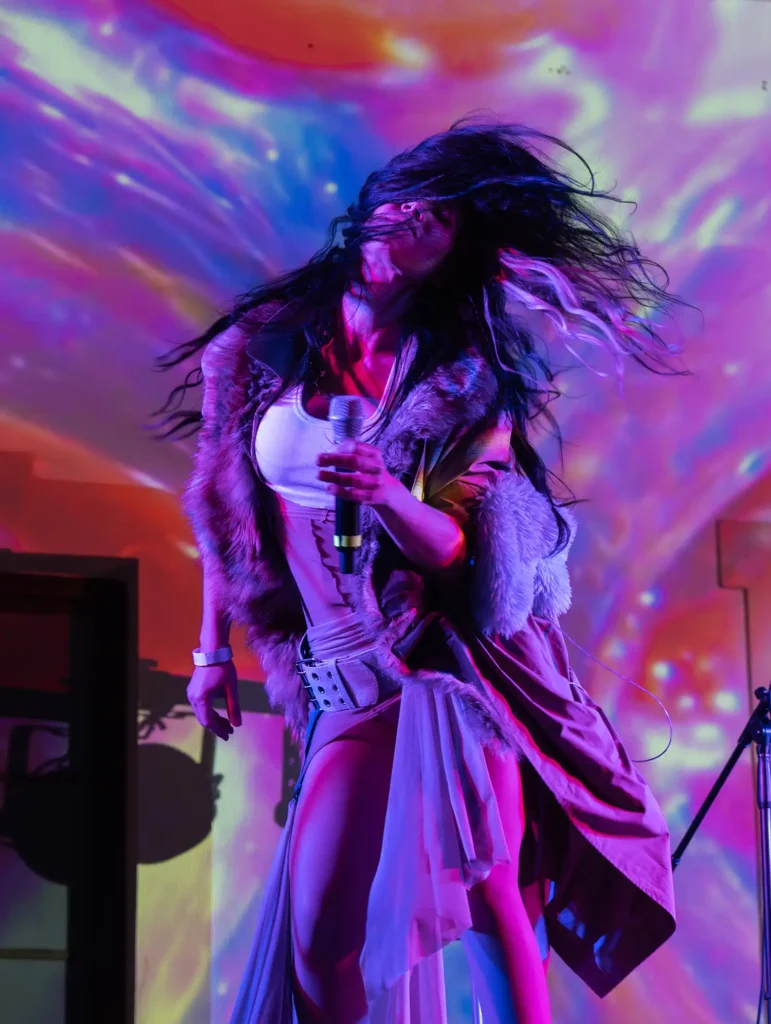
The festival’s music program enriched the overall experience with a multidimensional sonic identity: the outdoor stage hosted popular Greek acts, creating an open and festive atmosphere, while the indoor stage focused on more experimental and electronic directions, offering a platform for sonic exploration and experimentation.
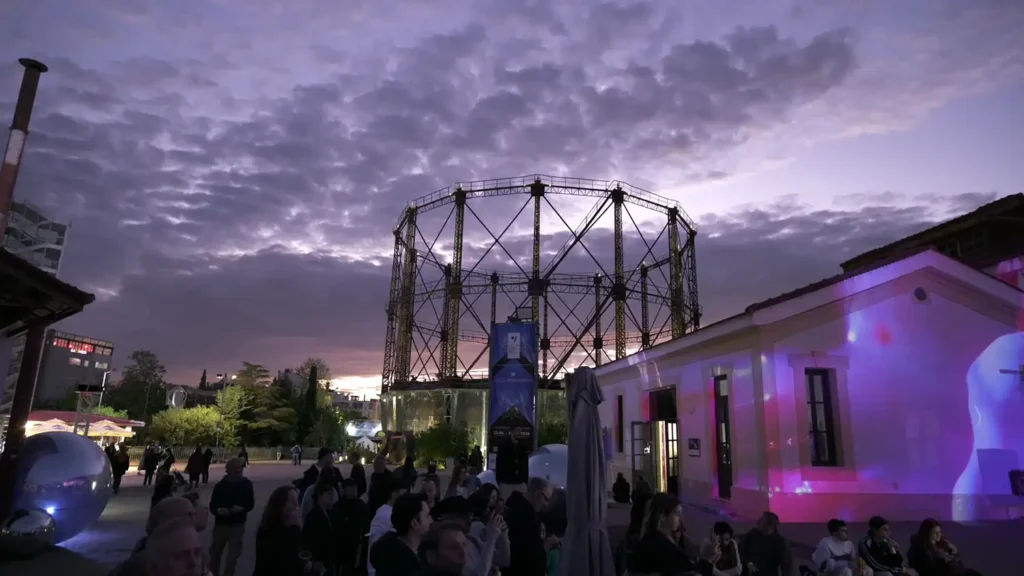
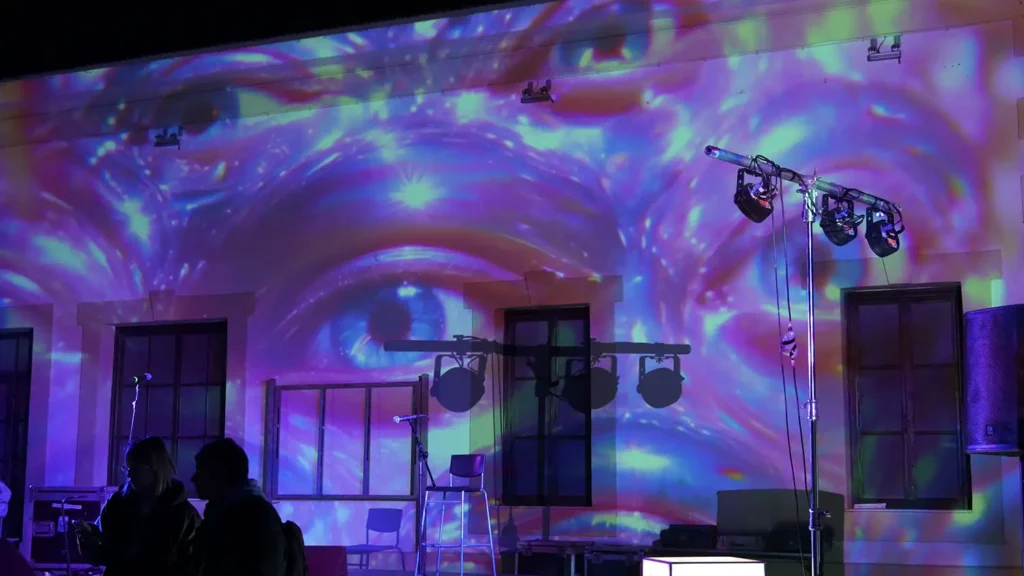
Particular attention was drawn to the large-scale “3D Mapping Projection” presented in the courtyard of Technopolis, which transformed the architectural space into a dynamic canvas of image and light during the evening hours. Through spectacular projections, the venue itself was “metamorphosed,” offering audiences a deeply immersive visual experience.
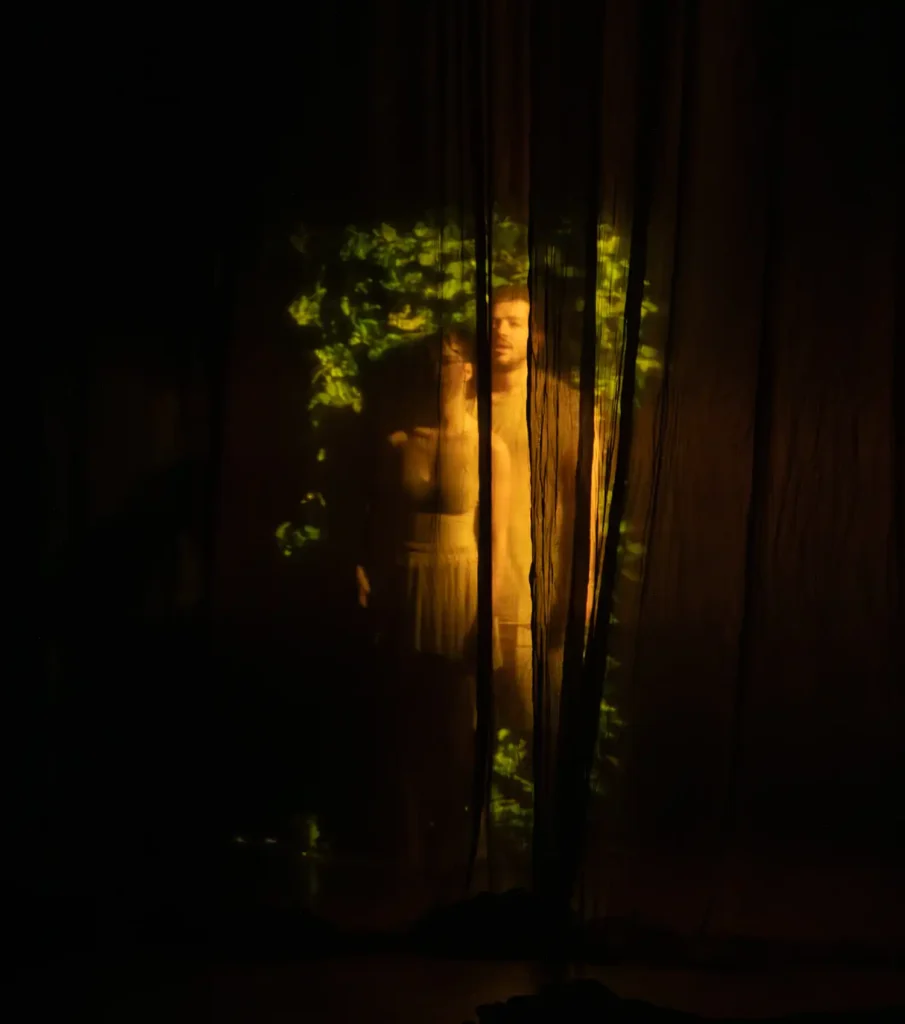
Another major highlight was the project “NEON WATER,” realized in collaboration with EYDAP and presented at the historic Hadrianic Aqueduct, in Dexameni Square, from April 15 to 30. This off-site event emphasized the city’s deep connection with water, highlighting its significance as both a natural resource and a carrier of memory and culture. Through a unique collaboration among artists—including Manolis Manousakis (sound/composition), Chrysanthi Badeka (choreography), Alexandra Niaka (visuals), Giannis Kranidiotis (laser design), Elli Anna Peristeraki (dramaturgy/curation), Konstantinos Chaldaios (set and costume design), and Margarita Kostoglou (performance/dance)—an immersive experience was created, connecting the past with the present and the future.
Overall, this year’s edition of the Athens Digital Arts Festival consistently and creatively explored the theme of metamorphosis, meaningfully connecting it to contemporary environmental issues and the challenges of our time. The strong attendance and enthusiastic public response reaffirm the festival’s dynamic presence and significance as a platform for artistic expression, innovation, and dialogue.
ADAF continues to redefine the boundaries of digital art, creating each year a space where technology, creativity, and social awareness meet—and transform.